Source shock reducing nr engine mounting for Air Conditioner, Pump, Generator
Compare 30 shock reducing nr engine mounting options from verified Chinese suppliers. These components feature NR rubber materials and are designed for use in air conditioners, pumps, and generators with various structural configurations; compare the available evidence and request quotations based on your requirements.
Key considerations
Products List
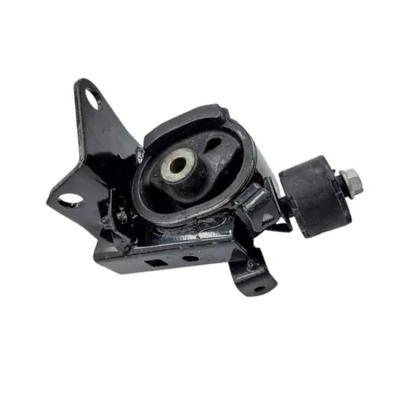


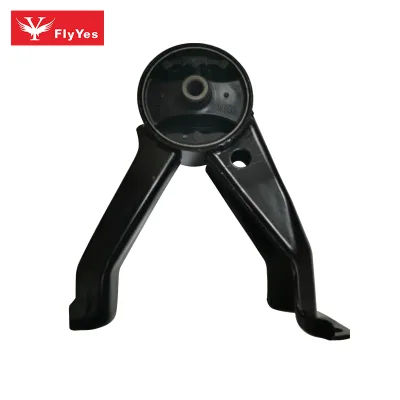


Comprehensive Sourcing Guide
Shock Reducing NR Engine Mounting Sourcing Guide
Procuring shock-reducing NR engine mounts requires a disciplined approach to material verification and structural integrity. Buyers must prioritize suppliers who can demonstrate consistent production of neoprene or natural rubber compounds, as these materials directly influence vibration damping performance. The observed listings indicate a focus on steel-based structures combined with rubber components, suggesting a hybrid design common in automotive applications. It is critical to confirm that the rubber material specification matches your vehicle's operational requirements, particularly regarding temperature resistance and aging properties.
Understanding the scope of available products helps narrow down suitable suppliers for your specific needs. Listings often categorize these items under broader terms like "Engine Mounts" or "Isolators," which may include various structural configurations such as single or double cylinder designs. Buyers should clarify whether the product is intended for front or rear engine positions, as this affects the mounting geometry and load-bearing capacity. Additionally, verifying the origin of the components, such as Ningbo or Hengshui in China, can provide insights into the manufacturing cluster's capabilities and potential logistics advantages for your supply chain.
Product Scope and Observed Listing Signals
The product scope for shock-reducing NR engine mounts encompasses a variety of structural designs tailored to different vehicle platforms. Observed attributes include triangle bracket structures and single or double cylinder configurations, which indicate flexibility in how the mount interacts with the engine block and chassis. Buyers should identify whether their application requires a specific mounting orientation, such as rear-positioned mounts, to ensure compatibility with existing vehicle architecture. The presence of "Adjusted" and "Folded" attributes in some listings suggests that certain models may offer pre-assembly or specific packaging configurations that affect installation efficiency.
Listing signals often reveal the intended usage beyond standard engine mounting, with some products categorized for use in air conditioners, pumps, or generators. This versatility implies that the underlying damping technology is applicable across various mechanical systems requiring vibration isolation. However, buyers must distinguish between automotive-grade mounts and general industrial isolators, as the load-bearing requirements and durability standards differ significantly. Verifying the specific "Part" designation, such as bumper or buffer components, ensures that the selected product aligns with the precise mechanical function required for your procurement project.
Technical Specifications to Verify
Technical verification begins with confirming the material composition of both the metal and rubber components. Listings specify steel as the primary metal material, with options for stainless steel or zinc plating to enhance corrosion resistance. Buyers must verify the thickness and grade of the steel to ensure it can withstand the dynamic loads imposed by the engine. For the rubber component, the specification of NR (Natural Rubber) or Neoprene/NBR is critical, as these materials offer different levels of elasticity and chemical resistance. Requesting material test reports will help confirm that the rubber compound meets the required hardness and elongation standards for long-term performance.
Structural specifications also require detailed scrutiny, particularly regarding the damping force direction and spring type. Some mounts utilize coil springs or air springs, which affect the frequency response and isolation efficiency. Buyers should verify whether the mount is designed for bidirectional damping, which is essential for handling multi-axis vibrations in modern vehicles. Additionally, checking the "Condition" attribute to ensure the parts are brand new prevents the accidental procurement of refurbished or used components. Confirming the exact model numbers, such as 11270-9N00B, ensures that the replacement part matches the original equipment manufacturer's specifications precisely.
Compliance and Safety Documentation
Compliance documentation is a critical aspect of sourcing engine mounts, as these components directly impact vehicle safety and performance. While some listings indicate a standard of "OEM" or "ISO," buyers must request specific certificates that validate the manufacturing process and material quality. ISO certification, for instance, provides assurance that the supplier adheres to international quality management standards, reducing the risk of inconsistent product quality. Buyers should ask for copies of these certificates and verify their validity with the issuing bodies to ensure that the supplier maintains ongoing compliance with industry requirements.
Safety documentation should also include test reports for vibration isolation and fatigue resistance. Although specific test data is not always listed, buyers should request evidence that the mounts have undergone rigorous testing to withstand the operational stresses of the intended application. This includes verifying that the rubber compound does not degrade under high temperatures or exposure to engine fluids. Ensuring that the product meets the "General" standard or other applicable industry norms helps mitigate liability risks and ensures that the components perform reliably over their expected service life.
Cost Drivers and Commercial Terms
Cost drivers for shock-reducing NR engine mounts are primarily influenced by material quality, structural complexity, and customization requirements. The use of high-grade steel and premium rubber compounds increases the unit price, but it also enhances the product's durability and performance. Buyers should evaluate the trade-off between cost and quality, recognizing that cheaper options may compromise on material integrity or manufacturing precision. Customization, such as specific bracket shapes or mounting configurations, can also add to the cost due to the need for specialized tooling and production adjustments.
Commercial terms, including MOQ and payment structures, significantly impact the total procurement cost. Observed MOQ ranges from 1 to 1000 units, allowing flexibility for both small-scale testing and large-volume production. Buyers should negotiate payment terms that align with their cash flow, such as partial payments upon order placement and balance upon shipment. Additionally, considering the packing method, such as cartons or custom packaging, can affect logistics costs. Clear communication of these terms helps avoid unexpected expenses and ensures a smooth transaction process with the supplier.
Supplier Qualification and Quality Control
Supplier qualification involves assessing the manufacturer's capability to produce high-quality engine mounts consistently. Buyers should review the supplier's production facilities, including their equipment and workforce, to ensure they have the capacity to meet your volume requirements. Verifying the supplier's experience in the automotive industry, particularly with brands like Toyota or Nissan, provides confidence in their understanding of specific technical requirements. Requesting a factory audit or visiting the production site can offer firsthand insights into the quality control processes and operational efficiency.
Quality control measures are essential to ensure that each batch of engine mounts meets the specified standards. Buyers should inquire about the supplier's inspection protocols, including incoming material checks, in-process inspections, and final product testing. Implementing a quality agreement that outlines acceptable defect rates and corrective action procedures helps maintain consistent product quality. Additionally, establishing a feedback loop for reporting any issues encountered during installation or use allows for continuous improvement and strengthens the supplier-buyer relationship.
Long-Term Procurement Checks
Long-term procurement checks focus on ensuring the sustainability and reliability of the supply chain. Buyers should monitor the supplier's financial stability and production capacity to anticipate any potential disruptions. Regular performance reviews, including on-time delivery rates and quality consistency, help identify areas for improvement and foster a collaborative partnership. Establishing a strategic relationship with the supplier can lead to better pricing, priority production slots, and enhanced technical support for future projects.
Sustainability and environmental considerations are increasingly important in long-term procurement strategies. Buyers should verify that the supplier adheres to environmental regulations and uses sustainable materials where possible. This includes checking for certifications related to waste management and energy efficiency. By integrating these checks into the procurement process, buyers can ensure that their supply chain aligns with broader corporate sustainability goals while maintaining high standards of product quality and reliability.
FAQs
What material is used for shock reducing engine mounts?
The shock reducing engine mounts are constructed using Neoprene or NBR rubber materials. These materials provide effective vibration damping for automotive applications. Some variants also incorporate NR rubber specifically for shock reduction. The metal components often include stainless steel or zinc plating for durability.
Can these engine mounts be customized for specific vehicles?
Yes, customization is available for these engine mounts to meet specific vehicle requirements. Buyers can request tailored specifications for different car makes like Toyota or Nissan. The manufacturing process allows for adjustments to fit unique mounting points. This ensures a precise fit for various automotive applications.
What is the warranty period for these engine mounting products?
These engine mounting products come with a standard warranty period of 12 months. This coverage ensures reliability for the purchased items. The warranty applies to defects in material or workmanship under normal usage conditions. Buyers should verify specific terms with the supplier before finalizing orders.
How are these engine mounts packaged for shipping?
Packaging options include standard cartons or custom packing according to buyer requirements. Some listings specify general packing methods while others allow tailored solutions. The packaging is designed to protect the metal and rubber components during transit. This ensures the products arrive in brand new condition without damage.
Which car brands are these engine mounts suitable for?
These engine mounts are suitable for major car brands including Toyota and Nissan. They are designed to fit specific models like those with part numbers 11270-9N00B. The components are engineered to reduce shock for various automotive systems. Compatibility should be verified against specific vehicle models before purchase.
What is the origin location for these engine mounting products?
The products originate from manufacturing locations in China, specifically Ningbo and Hengshui. These regions are known for producing high-quality automotive fasteners and brackets. The goods are shipped from these factories to international buyers. Origin details are confirmed in the product specifications provided by suppliers.
Are these engine mounts available in single item units?
Yes, these engine mounts are available as single item selling units. Buyers can purchase individual pieces or larger quantities depending on their needs. The minimum order quantity ranges from 1 to 1000 units based on supplier terms. This flexibility allows for small trial orders or bulk procurement.